Why KRCHN Students Need a Smarter Revision Strategy in 2026
If you are a Kenya Registered Community Health Nursing (KRCHN) student preparing for the Nursing Council of Kenya (NCK) licensure examination, you already know the stakes. This single exam determines whether you earn your nursing licence, begin your career, and start earning — or whether you face the heartbreak of a resit.
Every year, thousands of KRCHN diploma students from KMTC campuses, Amref International University, St. Luke’s College, and dozens of other NCK-approved institutions sit this exam. And every year, too many fail — not because they lack ability, but because they revised the wrong way.
This guide is different. It does not just list topics. It walks you through exactly what the KRCHN NCK exam looks like in 2026, which subjects carry the most weight, how to build a revision timetable that works, and where to access the highest-quality practice questions with detailed rationales. Whether you are preparing for the February or May sitting, this is your complete roadmap.
What Is the KRCHN Programme?
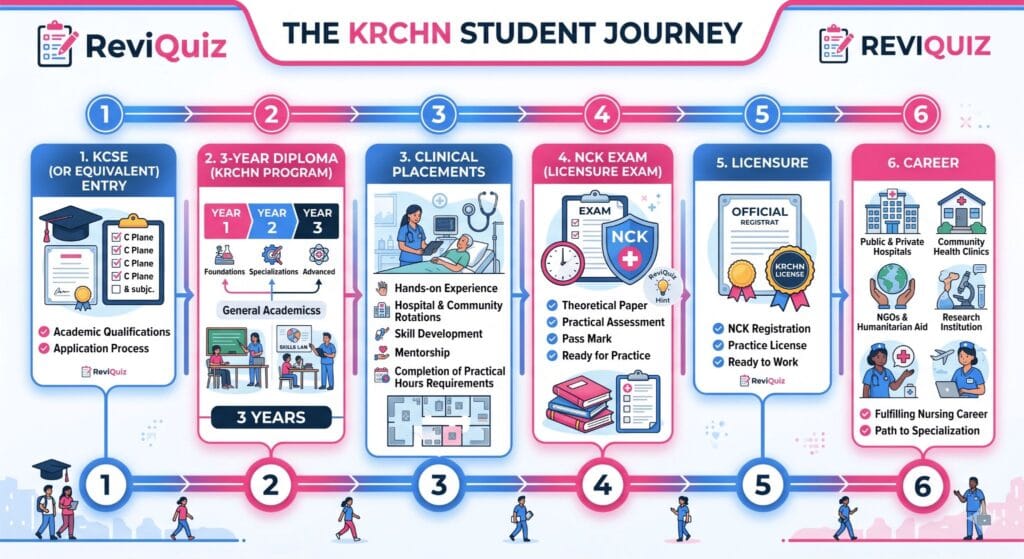
The Diploma in Kenya Registered Community Health Nursing (KRCHN) is a three-year, full-time programme offered at medical training colleges and private nursing schools across Kenya. The curriculum blends theoretical classroom learning with supervised clinical placements in hospitals, health centres, and community settings.
Core areas of study include medical-surgical nursing, maternal and child health, community health, mental health nursing, pharmacology, anatomy and physiology, microbiology, and nursing research. The programme is designed to produce graduates who are competent, ethical, and evidence-based practitioners.
After completing the programme, every KRCHN graduate must pass the NCK Final Qualifying Examination (FQE) — the national licensure exam — before they can legally practise as a registered nurse in Kenya.
Key facts at a glance:
- Duration: 3 years (some institutions run 3.5 years)
- Entry requirements: KCSE mean grade C plain, C in English/Kiswahili and Biology, C- in Maths/Chemistry/Physics
- Examining body: Nursing Council of Kenya (NCK)
- Exam format: Computer-Based Testing (CBT) at designated NCK centres
- Licensing: Must pass the FQE to receive NCK registration number and practise
The KRCHN NCK Exam Structure: Paper 1 and Paper 2 Explained
Understanding the exam structure is the first step to passing it. Since the NCK moved to a two-paper format (replacing the old four-paper system), KRCHN candidates now sit two papers — typically on the same day or across two consecutive days.
KRCHN Paper 1 — Medical-Surgical & Clinical Nursing
Paper 1 tests your knowledge of acute and chronic conditions, clinical procedures, pharmacology, and the scientific foundations of nursing practice. Think of it as the “hospital ward” paper.
High-yield topics in Paper 1:
- Medical-Surgical Nursing: Cardiovascular, respiratory, gastrointestinal, neurological, musculoskeletal, renal, and endocrine conditions. Expect scenario-based questions on patient assessment, nursing interventions, and discharge planning.
- Anatomy & Physiology: Structure and function of body systems. The NCK frequently tests applied anatomy — for example, linking symptoms to the affected organ system.
- Pharmacology: Drug classifications, mechanisms of action, side effects, nursing considerations, and drug calculations. Commonly tested drug groups include antihypertensives, antibiotics, analgesics, insulin, and anticoagulants.
- Fundamentals of Nursing: Vital signs, wound care, fluid and electrolyte balance, infection prevention, patient positioning, and nursing process (assessment, diagnosis, planning, implementation, evaluation).
- Microbiology & Immunology: Chain of infection, standard precautions, common infectious diseases in Kenya (TB, HIV, malaria), and immunisation schedules.
- Nursing Theories: Virginia Henderson, Dorothea Orem, Callista Roy, Florence Nightingale. Know each theory’s core concepts and how they apply to patient care.
- Specialized Procedures: IV cannulation, catheterisation, nasogastric tube insertion, tracheostomy care, blood transfusion protocols.
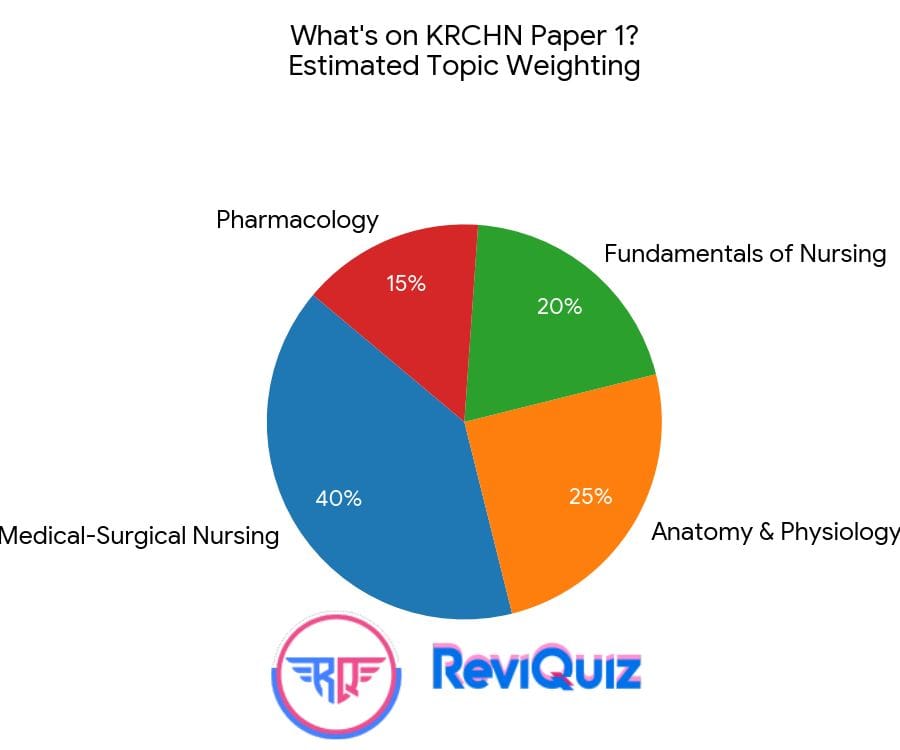
| Major Subject Area | Estimated Weighting | Key Sub-topics & High-Yield Focus Areas |
| Medical-Surgical Nursing | 40% | * Post-operative complications (respiratory, wound care) * Systemic conditions (Renal/AV fistulas, Diabetes, COPD, Cardiovascular) * Shock management (fluid resuscitation) * Emergency care (burns, snake bites) |
| Anatomy & Physiology | 25% | * Homeostatic mechanisms & cellular function (sodium-potassium pump) * Musculoskeletal system (troponin, muscle contractions) * Nervous system (cranial nerves, brain injury states) * Renal, endocrine, and acid-base balancing |
| Fundamentals of Nursing | 20% | * The Nursing Process (specifically Planning & Assessment phases) * Infection control guidelines (droplet vs. contact precautions) * Nutritional interventions (low sodium, low protein for hepatic conditions) * Patient safety, positioning, and basic life support (CPR standards) |
| Pharmacology | 15% | * Critical antidotes (e.g., Atropine, Pyridoxine) * Drug classes and toxicities (Aminoglycosides/nephrotoxicity, Statins/rhabdomyolysis) * Safe medication administration, calculations, and TPN safety |
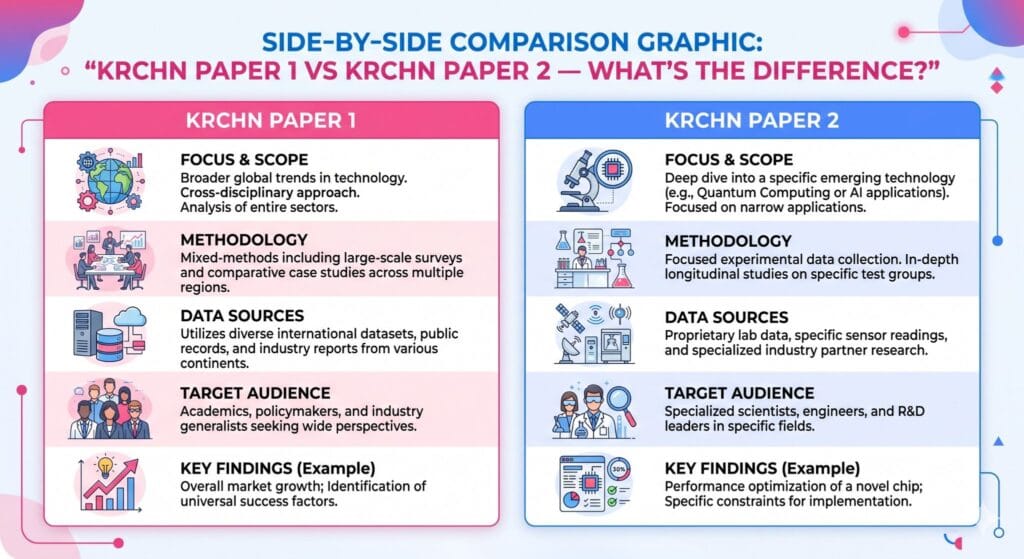
KRCHN Paper 2 — Community Health, Midwifery & Professional Practice
Paper 2 is broader in scope. It covers community and public health, maternal-child health, research, ethics, leadership, and mental health. Think of it as the “community and professionalism” paper.
High-yield topics in Paper 2:
- Community Health Nursing: Primary Health Care (PHC), determinants of health, health education and promotion, disease surveillance, epidemiology, communicable and non-communicable disease control, school health programmes, occupational health, environmental health, and Kenya’s community health strategy.
- Midwifery & Maternal Health: Antenatal care, labour management, partograph interpretation, postnatal care, newborn assessment (APGAR scoring), family planning methods, and management of obstetric emergencies (eclampsia, PPH, obstructed labour).
- Paediatric Nursing: Growth and development milestones, childhood immunisation (KEPI schedule), management of common childhood illnesses (diarrhoea, pneumonia, malnutrition), IMCI guidelines.
- Nursing Research: Research designs, sampling methods, data collection, ethical considerations in research, literature review basics.
- Professional Practice & Ethics: The Nurses Act (Cap 257), Code of Ethics, medico-legal issues (negligence, consent, confidentiality), NCK functions, scope of practice, and professional accountability.
- Mental Health/Psychiatric Nursing: Common psychiatric conditions, therapeutic communication, management of aggression, substance abuse, community mental health.
- Leadership & Management: Health care delivery systems, supervision, conflict resolution, quality assurance.
NCK Exam 2026 Schedule: Key Dates for KRCHN Candidates
Staying on top of deadlines is critical. The NCK has scheduled two major exam sittings in 2026 for KRCHN candidates:
February 2026 Sitting
| Milestone | Date |
|---|---|
| Application opens | 10th November 2025 |
| Application deadline | 31st December 2025 |
| Withdrawal deadline | 23rd January 2026 |
| Mock exams | 2nd–6th February 2026 |
| Rehearsals | 17th February 2026 |
| KRCHN Main Exam | 19th February 2026 |
| Results declaration | 31st March 2026 |
May 2026 Sitting
| Milestone | Date |
|---|---|
| KRCHN Main Exam | 13th–15th May 2026 |
| Full schedule | Check NCK Exam 2026 Schedule |
Important reminders:
- Attend the mandatory in-person rehearsal at your designated exam centre. You must be physically present, sit the mock exam on the examination system, receive your NCK exam card, and sign the attendance register.
- NCK recently reshuffled some examination centres. If you were assigned to Nairobi Hospital or Eldoret National Polytechnic, check whether your centre has changed — some KRCHN candidates have been moved to CUEA or D. Kilimo MTC.
- Late registration attracts a penalty fee of KSh 1,000.
- Centre changes must be requested at least 3 weeks before the rehearsal date.
For the full step-by-step registration guide, read: How to Register for NCK Exam/Online Services in 2026
For a full overview of the NCK exam, visit our NCK Exam Kenya guide below. NCK Exam Kenya 2026:The Complete Guide

How the NCK CBT Exam Works (What to Expect on Exam Day)
Since 2020, the NCK has administered all licensure exams through Computer-Based Testing (CBT) using the Digi-Proctor system. Here is what to expect:
Exam format: Each paper is a timed session (typically 2–3 hours) that includes multiple-choice questions (MCQs), short-answer questions (SAQs), and scenario-based questions testing clinical judgement.
On exam day:
- Arrive at your designated centre early with your NCK exam card, national ID, and student ID.
- You will be seated at an individual computer workstation.
- The Digi-Proctor system monitors your session — only the official exam window should be open.
- Questions appear one at a time or in blocks. You can flag questions and return to them within the same paper.
- There is no negative marking for wrong answers on MCQs — always attempt every question.
- Technical issues must be reported to the invigilator immediately.
Pro tip: Many students underperform because the CBT format feels unfamiliar. Practising with timed, screen-based questions before exam day makes a significant difference. This is exactly why ReviQuiz courses are built to simulate the CBT experience on your phone, tablet, or laptop.
👉 Try a free KRCHN practice quiz now →
The 12 Most Commonly Tested KRCHN Topics (Ranked by Frequency)
Based on analysis of NCK exam trends from 2020–2025, past university papers, and examiner patterns, these are the topics that appear most frequently on KRCHN exams. Prioritise them in your revision:
- Medical-Surgical Nursing — Appears in virtually every Paper 1 sitting. Focus on cardiovascular conditions (heart failure, hypertension, MI), respiratory conditions (asthma, pneumonia, COPD, TB), GI conditions (peptic ulcer disease, liver cirrhosis), and diabetes management.
- Pharmacology — Drug calculations, classification of drugs, side effects, and nursing considerations are guaranteed. Master at least the top 30 drug classes.
- Community Health Nursing — The backbone of Paper 2. PHC principles, disease control strategies, KEPI immunisation schedule, and Kenya’s community health strategy.
- Midwifery & Maternal Health — Antenatal care, stages of labour, partograph, emergency obstetrics, family planning. High-yield and frequently poorly answered.
- Anatomy & Physiology — Applied questions linking body structure to clinical presentation. Cardiovascular, respiratory, and renal systems are favourites.
- Fundamentals of Nursing — Nursing process, vital signs, infection prevention, patient safety. Often the “easy marks” that students lose through carelessness.
- Paediatric Nursing — Growth milestones, immunisation, IMCI protocol, management of malnutrition and common childhood diseases.
- Nursing Ethics & Professional Practice — Consent, confidentiality, negligence, the Nurses Act, scope of practice. Expect at least 5–10 questions per sitting.
- Microbiology & Infection Prevention — Chain of infection, standard precautions, management of infectious diseases (HIV, TB, malaria, cholera).
- Mental Health/Psychiatric Nursing — Types of psychiatric conditions, therapeutic communication, crisis intervention, substance abuse management.
- Nursing Research — Research designs, sampling, data collection methods, ethical considerations. Often overlooked by students but always present on Paper 2.
- Leadership & Management in Nursing — Quality improvement, conflict resolution, delegation, supervision models.
5 KRCHN Sample MCQs (With Answers & Rationales)
Here are five sample questions in the style of the NCK exam. Test yourself, then read the rationale to understand the reasoning:
Question 1 (Medical-Surgical Nursing) A 58-year-old male patient is admitted with acute chest pain radiating to the left arm. His ECG shows ST-segment elevation in leads II, III, and aVF. Which of the following is the PRIORITY nursing action?
A. Administer sublingual nitroglycerin as prescribed B. Obtain a 12-lead ECG C. Position the patient in high Fowler’s position D. Prepare the patient for emergency PCI
Answer: A — Administer sublingual nitroglycerin as prescribed Rationale: While all actions may be appropriate, the immediate priority is to relieve myocardial ischaemia. Sublingual nitroglycerin causes coronary vasodilation and reduces cardiac workload. A 12-lead ECG has already been obtained (the question states the findings). Emergency PCI may follow, but pharmacological intervention comes first in the nursing timeline.
Question 2 (Community Health Nursing) Which of the following BEST describes the concept of Primary Health Care (PHC)?
A. Hospital-based curative services provided at the national referral level B. Essential health care made universally accessible to individuals and families through community participation at a cost the country can afford C. Emergency medical services provided by paramedics D. Specialist health services provided at county hospitals
Answer: B Rationale: The Alma-Ata Declaration (1978) defined PHC as essential health care based on practical, scientifically sound, and socially acceptable methods and technology, made universally accessible through full community participation. This is a core definition that appears repeatedly on NCK Paper 2.
Question 3 (Midwifery) A primigravida at 38 weeks gestation presents with a blood pressure of 170/110 mmHg, proteinuria of 3+, and a severe headache. Which condition should the nurse suspect?
A. Gestational hypertension B. Severe pre-eclampsia C. Eclampsia D. Chronic hypertension
Answer: B — Severe pre-eclampsia Rationale: The triad of severe hypertension (≥160/110 mmHg), significant proteinuria (≥2+), and symptoms such as severe headache indicates severe pre-eclampsia. Eclampsia would involve seizures, which are not described. Gestational hypertension lacks proteinuria, and chronic hypertension presents before 20 weeks gestation.
Question 4 (Pharmacology) A nurse is administering gentamicin to a patient. Which laboratory value should be monitored MOST closely?
A. Serum creatinine B. Serum glucose C. Prothrombin time D. Haemoglobin level
Answer: A — Serum creatinine Rationale: Aminoglycoside antibiotics (including gentamicin) are nephrotoxic and ototoxic. Serum creatinine is the key indicator of renal function and must be monitored to detect early nephrotoxicity. Hearing assessments should also be considered during prolonged use.
Question 5 (Professional Practice) According to the Nurses Act (Cap 257) of the Laws of Kenya, which body is responsible for registering and licensing nurses in Kenya?
A. Kenya Medical Practitioners and Dentists Council B. Nursing Council of Kenya C. Ministry of Health D. Kenya National Examinations Council
Answer: B — Nursing Council of Kenya Rationale: The Nursing Council of Kenya (NCK), established under Cap 257, is the statutory body responsible for regulating nursing and midwifery education, registration, licensing, and professional conduct in Kenya.
Want 4,000+ questions like these — with detailed rationales for every answer?
👉 Browse KRCHN Revision Courses →
The 90-Day KRCHN Revision Plan (Week-by-Week)
Most KRCHN candidates need 8–12 weeks of focused revision. Here is a proven 90-day plan broken into three phases:
Phase 1: Foundation Building (Weeks 1–4)
Goal: Cover all Paper 1 and Paper 2 topics at least once.
- Week 1: Anatomy & Physiology + Fundamentals of Nursing. Start with body systems — cardiovascular, respiratory, GI, renal. Combine with nursing process review.
- Week 2: Medical-Surgical Nursing (Part 1). Focus on cardiovascular, respiratory, and neurological conditions. Do 30–50 MCQs daily.
- Week 3: Medical-Surgical Nursing (Part 2) + Pharmacology. GI, endocrine, musculoskeletal conditions. Begin drug classification review alongside.
- Week 4: Community Health Nursing + Nursing Research. PHC principles, disease surveillance, epidemiology basics, research methodology.
Phase 2: Deep Dive (Weeks 5–8)
Goal: Strengthen weak areas and tackle high-yield but difficult topics.
- Week 5: Midwifery & Maternal Health. Antenatal care, labour stages, partograph, obstetric emergencies, family planning.
- Week 6: Paediatric Nursing + Microbiology. Growth milestones, KEPI, IMCI, common childhood illnesses, chain of infection.
- Week 7: Mental Health Nursing + Ethics & Professional Practice. Psychiatric conditions, Nurses Act, medico-legal issues, consent.
- Week 8: Leadership & Management + Pharmacology Deep Dive. Drug calculations, IV drug administration, high-alert medications.
Phase 3: Exam Simulation (Weeks 9–12)
Goal: Test under real exam conditions and close remaining gaps.
- Week 9: Full Paper 1 mock exam (timed). Review every wrong answer with rationale.
- Week 10: Full Paper 2 mock exam (timed). Identify your 3 weakest topics and revise intensively.
- Week 11: Mixed-topic daily quizzes (50–100 questions per day). Focus on scenarios and clinical judgement.
- Week 12: Final revision of weak spots + light daily quizzes. No new material — just consolidation and rest.
The right tools make this plan work. Each phase aligns perfectly with ReviQuiz’s KRCHN course tiers:
- KRCHN Basic (Ksh 1,500) — 1,000+ MCQs and 2 mock exams. Ideal for Phase 1 foundation building.
- KRCHN Premium (Ksh 3,500) — 2,500+ MCQs, 5 mock exams, and detailed rationales. Covers Phases 1–2 comprehensively.
- KRCHN Pro (Ksh 5,000) — 4,000+ MCQs, 8 mock exams, downloadable resources, and NCK past paper questions with rationales. The complete solution for all three phases.
Choose your KRCHN revision package →
Why Most KRCHN Students Fail the NCK Exam (And How to Avoid It)
Understanding why students fail helps you avoid the same mistakes. Here are the most common reasons:
1. Over-reliance on “leaked” past papers Every year, WhatsApp groups circulate documents claimed to be NCK past papers. Most are outdated, inaccurate, or recycled from years-old university exams. Worse, they often lack rationales — so even when the answer is correct, you do not learn the reasoning. The NCK changes question patterns regularly, so memorising old answers is a losing strategy. Read more: NCK Past Papers 2025: Why PDFs Are Dangerous
2. Cramming instead of understanding The NCK exam tests clinical judgement, not memory. A question might describe a patient scenario and ask you to identify the PRIORITY nursing action — you cannot answer this correctly by memorising a list. You need to understand the clinical reasoning. This is why studying with rationales (not just answer keys) is essential.
3. Ignoring “easy” subjects Many students spend all their time on Medical-Surgical Nursing and neglect Professional Practice, Research, or Leadership. These subjects carry guaranteed marks on Paper 2. Losing them is like leaving money on the table.
4. Not practising under timed conditions The CBT format is strict on time. If you have never done 100 MCQs in 2 hours on a screen, exam day will be stressful. Practice with timed quizzes to build your pace.
5. Starting revision too late Effective NCK preparation takes 8–12 weeks of consistent effort. Starting two weeks before the exam is a recipe for a resit.
KRCHN Revision Resources: Books Every Diploma Nursing Student Needs
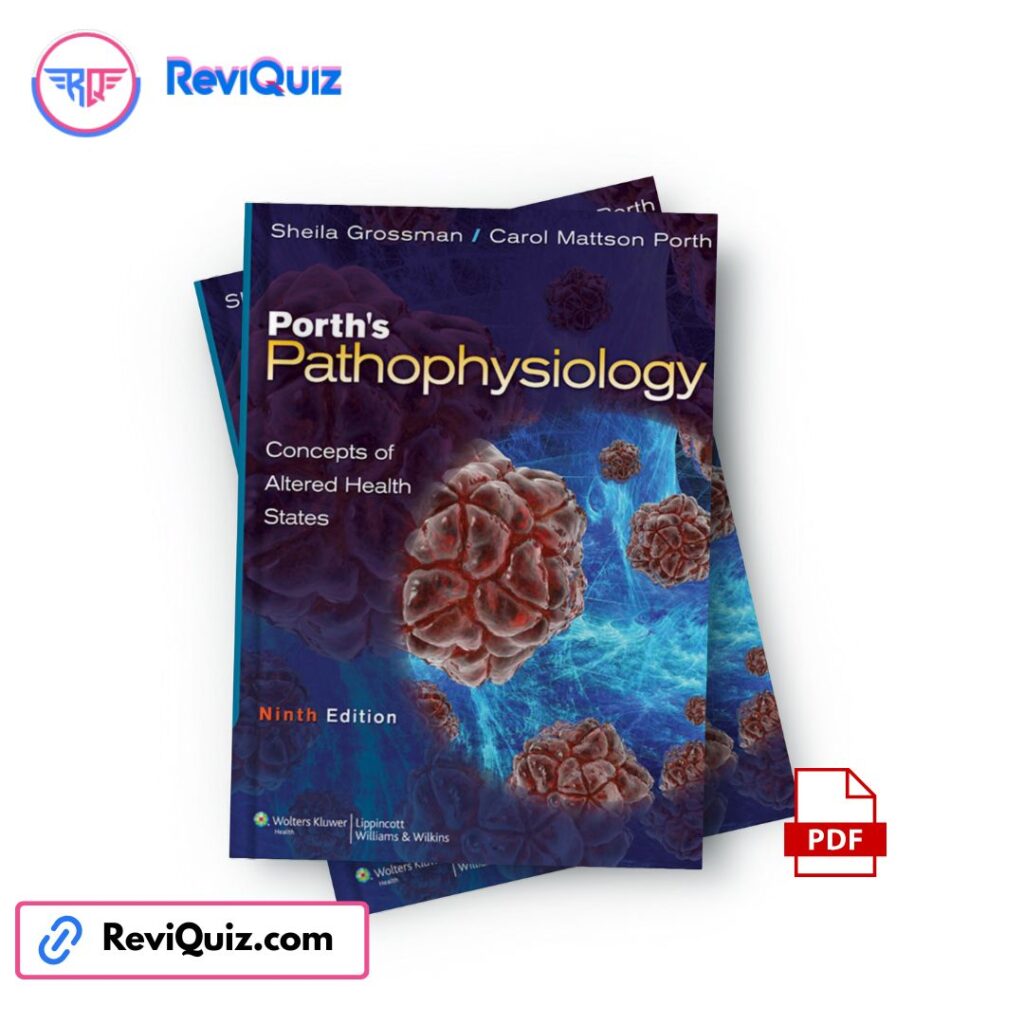
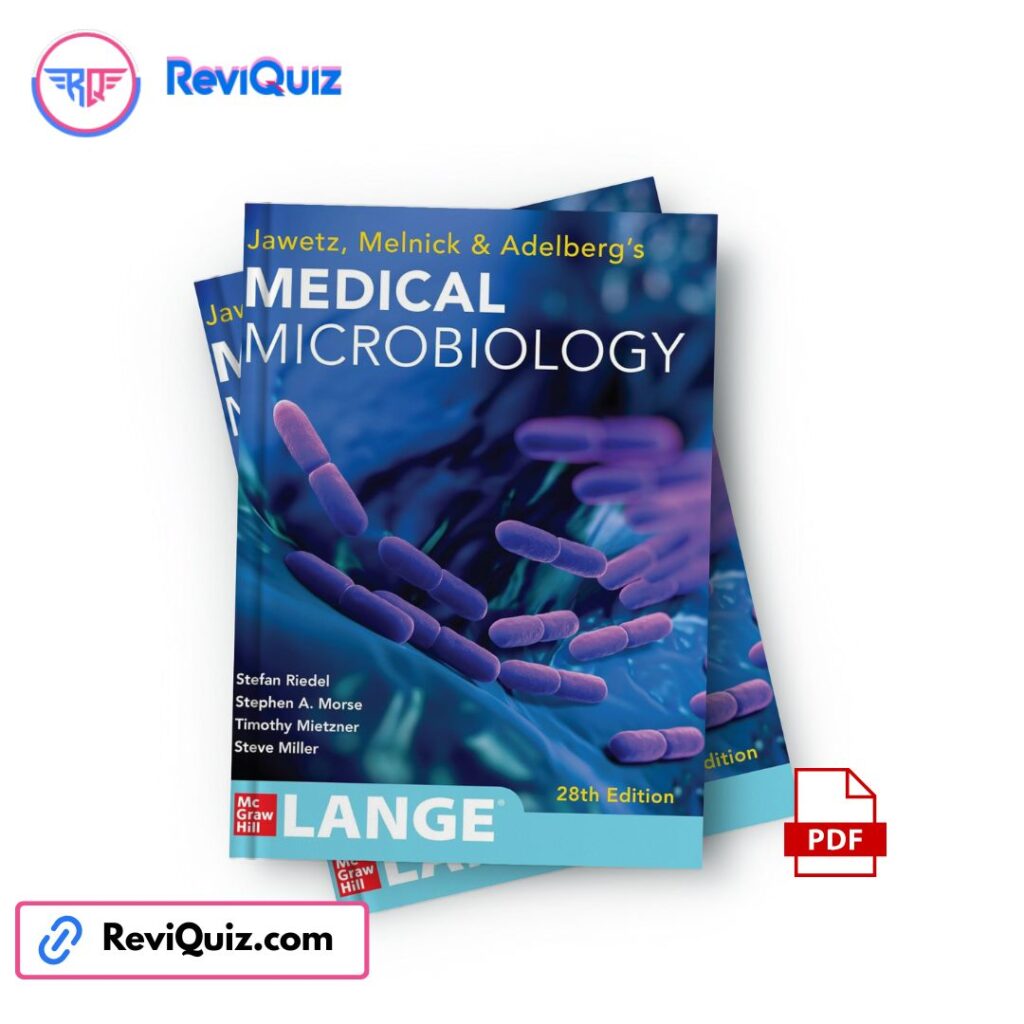
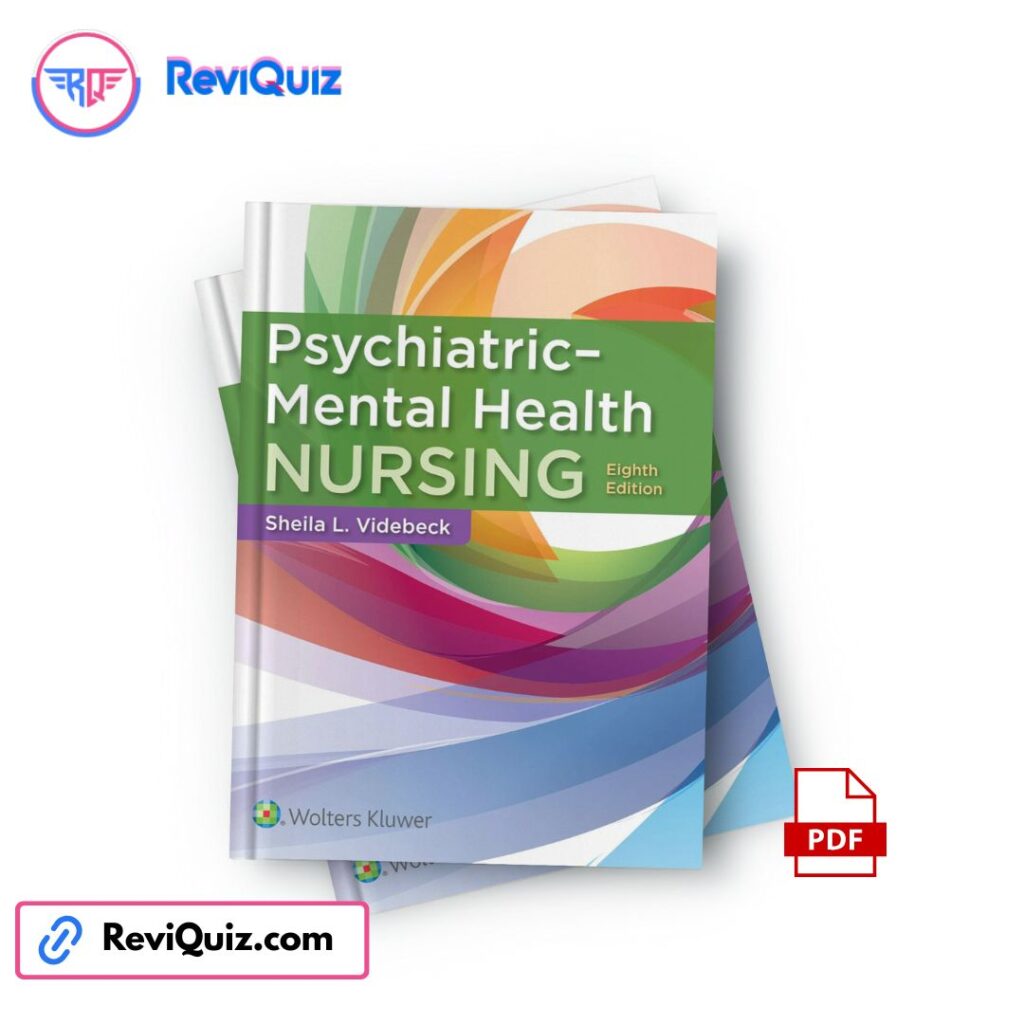
Textbooks remain an important foundation for KRCHN revision. Here are the most relevant titles, all available at affordable prices from Cliffmatt Books:
For Paper 1 (Medical-Surgical & Clinical):
- Brunner & Suddarth’s Textbook of Medical-Surgical Nursing — The gold standard for med-surg nursing.
- Ross & Wilson Anatomy and Physiology in Health and Illness — Clear, visual A&P text used across Kenyan nursing colleges.
- Lehne’s Pharmacology for Nursing Care — Comprehensive pharmacology with nursing focus.
- Potter & Perry Fundamentals of Nursing — Essential for foundations of nursing practice.
For Paper 2 (Community Health, Midwifery & Professional Practice):
- Community Health Third Edition – Chris Wood — The most widely used community health text in Kenyan nursing education.
- Myles Textbook for Midwives African Edition — Contextualised for African midwifery practice.
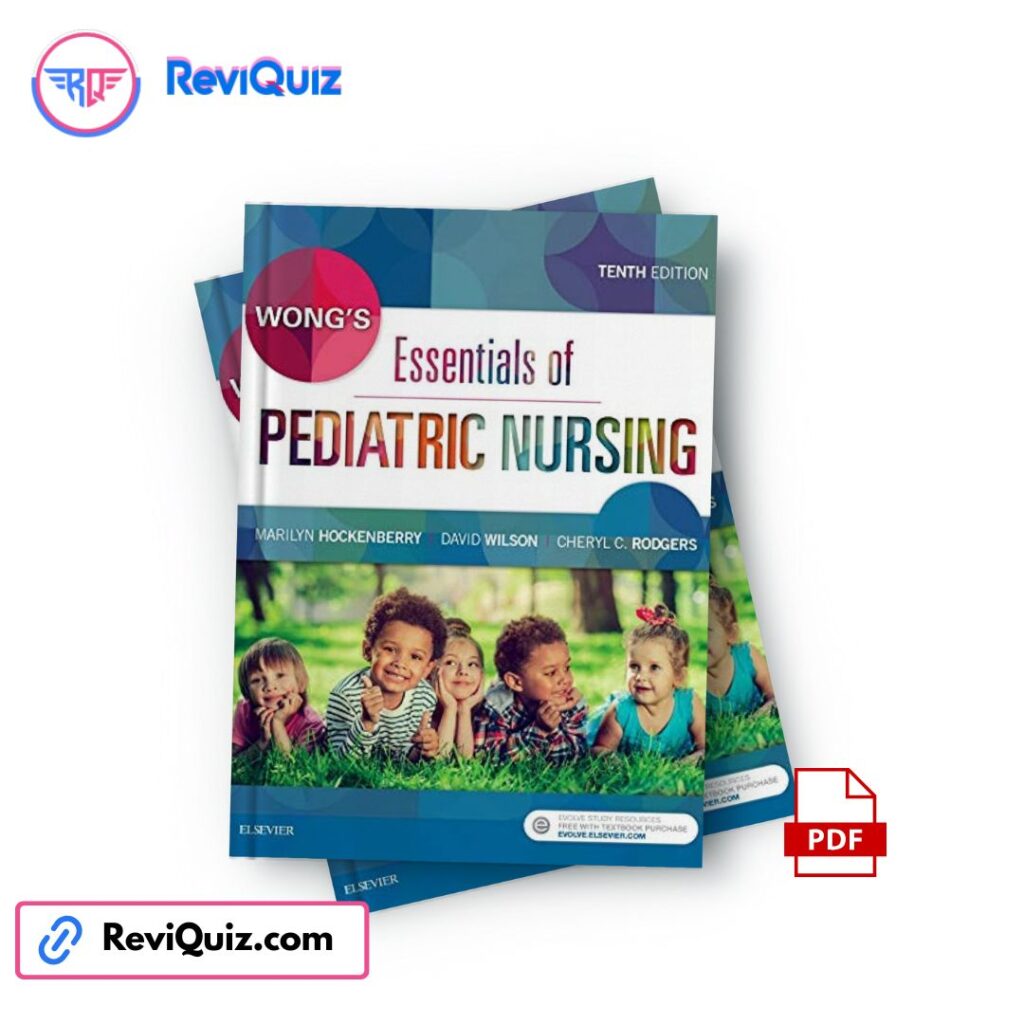
- Wong’s Essentials of Pediatric Nursing — Comprehensive paediatric reference.
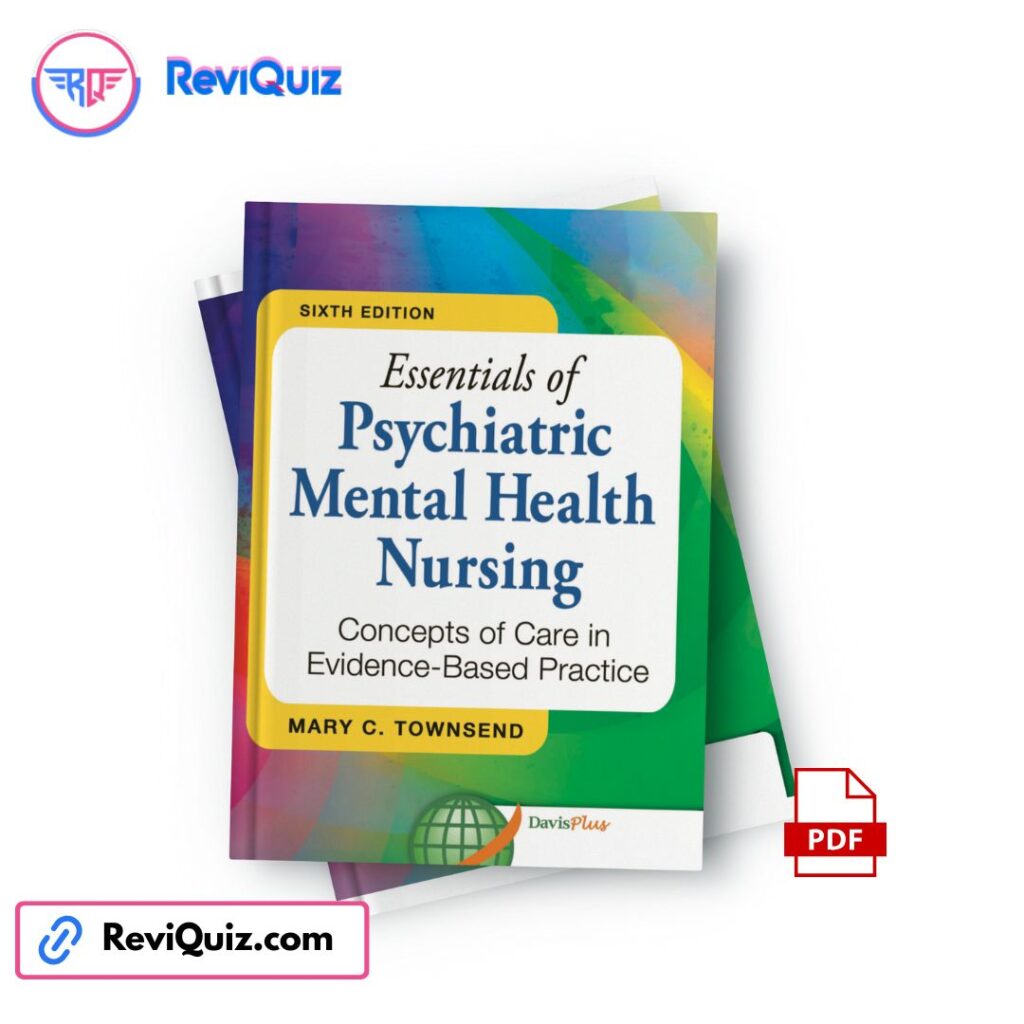
- Essentials of Psychiatric Mental Health Nursing — Covers all mental health content on Paper 2.
For more titles: Top Nursing Books to Ace Your 2026 NCK Exams
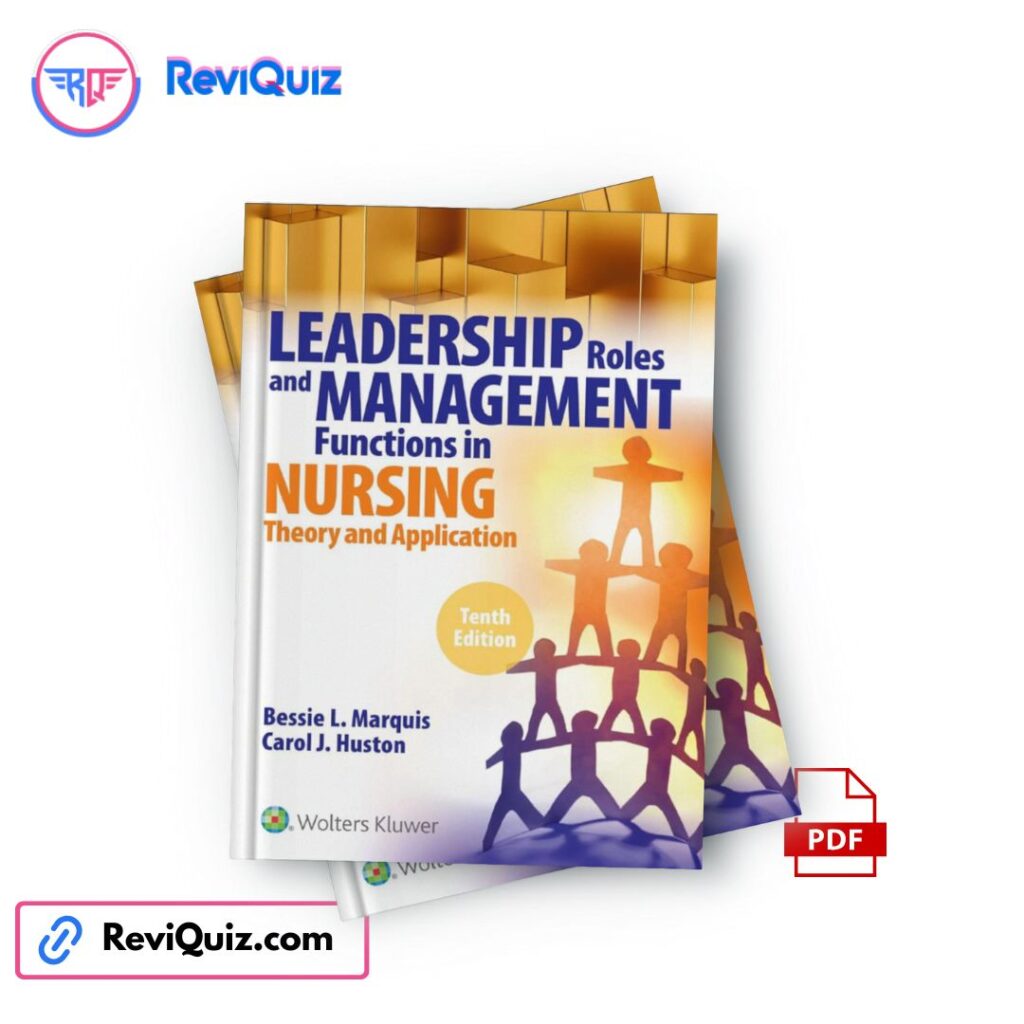
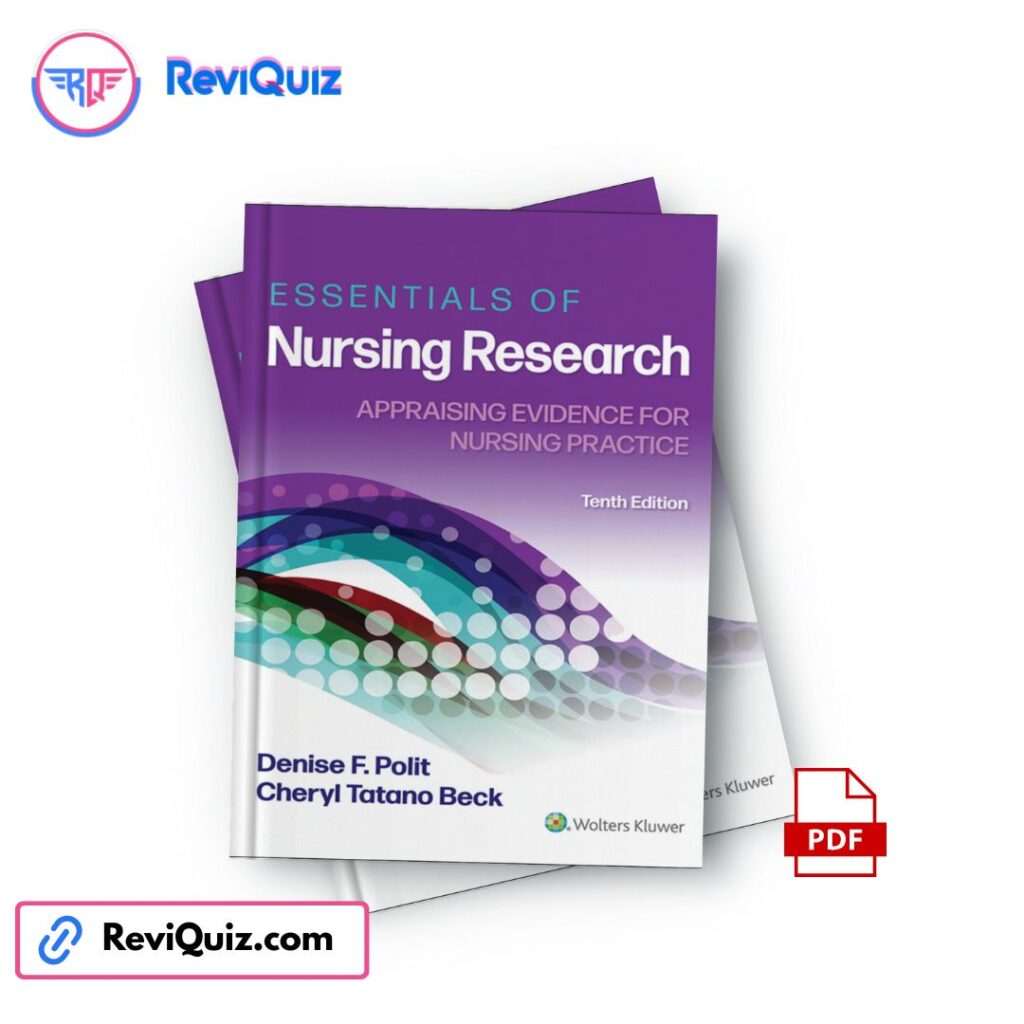
Essential KRCHN Textbooks

KRCHN vs BScN: Understanding the Differences
Many students (and their families) confuse the KRCHN diploma with the BScN degree. Here is a clear comparison:
| Factor | KRCHN (Diploma) | BScN (Degree) |
|---|---|---|
| Duration | 3 years | 4 years |
| Offered at | KMTC, private MTCs | Universities |
| Entry grade | KCSE C plain | KCSE C+ and above |
| NCK Exam | Paper 1 & Paper 2 (KRCHN) | Paper 1 & Paper 2 (BScN) |
| Licence title | Kenya Registered Community Health Nurse | Registered Nurse (BSc) |
| Career progression | Can upgrade to BScN, then MSc | Can proceed directly to MSc |
| Starting salary (public sector) | ~KSh 25,000–35,000 | ~KSh 35,000–50,000 |
The key takeaway: Both KRCHN and BScN graduates sit separate NCK papers. KRCHN questions are tailored to the diploma curriculum — do not revise using BScN-specific materials and vice versa.
If you are a BScN student, visit our dedicated page: BScN NCK Revision 2026
Frequently Asked Questions: KRCHN NCK Exam
How many papers does the KRCHN NCK exam have?
The KRCHN NCK licensure exam consists of two papers: Paper 1 (Medical-Surgical & Clinical Nursing) and Paper 2 (Community Health, Midwifery & Professional Practice). Each paper is sat as a timed CBT session at your designated NCK examination centre.
What is the pass mark for the KRCHN NCK exam?
The NCK uses a criterion-referenced grading system. Results are typically declared as Pass (with grades such as Credit, Pass, or Distinction) or Fail/Refer. The exact cut-off score is determined by the NCK for each sitting and is not publicly disclosed in advance.
How much does it cost to sit the KRCHN NCK exam?
The examination fee is KSh 5,000 per sitting. Late registration attracts an additional penalty of KSh 1,000. All payments are made through the official NCK portal.
Can I resit the KRCHN NCK exam if I fail?
Yes. If you fail one or both papers, you can register for a resit at the next available sitting (usually the following February or May). You only need to resit the paper(s) you failed. Read our detailed guide: NCK Resit Exam Guide
Is the KRCHN NCK exam the same as the FQE?
Yes. The Final Qualifying Examination (FQE) is the official name for the NCK licensure exam. All nursing cadres — including KRCHN, BScN, KRN/M, Higher Diploma, KEN, and KEM — must pass their respective FQE to receive their licence.
Are KRCHN NCK past papers available?
Official NCK exam questions are confidential and not publicly released. What circulates online are often recalled questions, university past papers, or reconstructed materials of varying quality. ReviQuiz compiles vetted questions sourced from NCK paper trends, recent university examinations, and examiner-reviewed content — all with detailed rationales. Download free KRCHN sample questions here →
When are the next KRCHN NCK exams in 2026?
The February 2026 KRCHN exam was held on 19th February 2026. The May 2026 sitting is scheduled for 13th–15th May 2026. Always verify dates on the official NCK website. For a complete breakdown: NCK Exam 2026 Schedule
How do I register for the KRCHN NCK exam?
Registration is done through the NCK online portal (krs.nckenya.com). Your training institution must first nominate you as an eligible candidate. Full step-by-step guide: How to Register for NCK Exam
Why KRCHN Students Choose ReviQuiz
ReviQuiz is not just another “past papers” website. It is a purpose-built NCK exam preparation platform designed specifically for Kenyan nursing students — by people who understand the NCK exam system inside and out.
What makes ReviQuiz different:
- 4,000+ KRCHN-specific MCQs covering every Paper 1 and Paper 2 topic, with correct answers and clinical rationales that explain why the answer is right.
- Questions sourced from NCK past paper trends and university exams — not random internet PDFs. Every question is reviewed for clinical accuracy and alignment with the current NCK syllabus.
- CBT-style mock exams that simulate the real exam experience, helping you build confidence and time management skills.
- Subject-specific revision modules if you want to focus on a single weak area: Medical-Surgical Nursing, Community Health, Midwifery, Paediatrics.
- KRCHN Paper 1 and Paper 2 question banks sold separately if you only need MCQ practice: Paper 1 MCQs | Paper 2 MCQs
- M-Pesa payment, instant access — no waiting, no delays. Pay via M-Pesa and start studying immediately on your phone, tablet, or laptop.
- WhatsApp support group for study discussion and exam updates.
- Affordable pricing — starting from just Ksh 1,500 for the Basic course.
“I was so nervous about the NCK exam, but ReviQuiz’s question bank and detailed explanations made all the difference. I passed with a Credit on my first attempt!” — Sarah M., KRCHN B Graduate, 2025
Ready to Pass Your KRCHN NCK Exam?
Every day you delay revision is a day closer to the exam without preparation. The KRCHN students who pass on their first attempt are the ones who start early, practise consistently, and use quality materials with rationales.
Choose your KRCHN revision package today:
| Package | MCQs | Mock Exams | Price | Best For |
|---|---|---|---|---|
| Basic | 1,000+ | 2 | Ksh 1,500 | Quick revision / budget option |
| Premium ⭐ | 2,500+ | 5 | Ksh 3,500 | Comprehensive preparation |
| Pro | 4,000+ | 8 | Ksh 5,000 | Maximum coverage & confidence |
👉 Start Your KRCHN Revision Now →
Or try before you buy: Download Free KRCHN Sample Questions →
Keep Learning: More KRCHN & NCK Resources
- NCK Exam 2026 Schedule: Dates, Deadlines & Fees
- How to Register for NCK Exam/Online Services in 2026
- NCK Exam Syllabus Overview for 2025
- Beyond Past Papers: The Smart Way to Pass Your NCK Exam
- New NCK Paper 1 & 2: BScN & KRCHN Revision 2026
- NCK Past Papers with Answers & Rationales — Free Download
- Nursing Care Plans Guide & Lists for Kenya Students
- The 30-Day NCK Med-Surg Crash Course
- Top Nursing Books to Ace Your 2026 NCK Exams
Connect With ReviQuiz
Follow us for daily NCK quiz questions, study tips, and exam updates:
- Instagram — Daily quiz cards & study motivation
- Facebook — Community discussions & exam news
- Twitter (X) — Quick tips & NCK updates
- LinkedIn — Professional nursing career content